Introduction
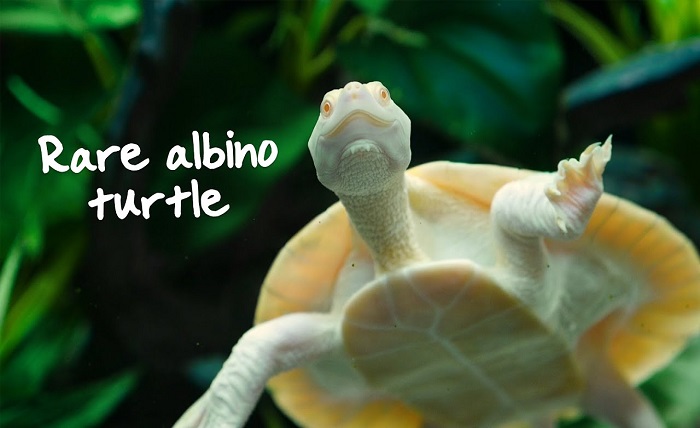
The albino turtle is one of the rarest and most intriguing reptiles in the animal kingdom. Unlike regular turtles, albino turtles lack the pigmentation that gives other turtles their characteristic green, brown, or black shells. This absence of melanin results in their strikingly white or pale appearance, often accompanied by red or pink eyes. Due to their rarity, the albino turtle has captured the attention of reptile enthusiasts, scientists, and nature photographers alike. These turtles are not only visually unique but also require special care and protection because their lack of pigmentation makes them more vulnerable in the wild.
Physical Characteristics of the Albino Turtle
One of the most defining features of the albino turtle is its pale, almost translucent skin and shell. While typical turtles have a variety of earthy tones, the albino turtle shines in shades of cream, white, and yellow. Its eyes, lacking normal pigmentation, often appear pink or red, giving it a ghostly yet fascinating look. In addition to aesthetics, the albino turtle also tends to have slightly more sensitive skin than non-albino counterparts. This sensitivity makes them more susceptible to sunlight and UV damage, which is crucial to consider for both wild conservation and captive care.
Habitat and Distribution of Albino Turtles
The albino turtle can be found in various aquatic and terrestrial habitats, but due to their rarity, sightings are extremely uncommon. These turtles often inhabit freshwater rivers, lakes, and ponds where they can blend with their surroundings despite their unique coloration. Interestingly, albino turtles are not confined to a single species; albinism can appear in many turtle species, such as the red-eared slider or box turtle. Their limited distribution and the challenges they face in the wild make the albino turtle a species of interest for conservationists around the globe.
Diet and Feeding Habits of the Albino Turtle
Feeding an albino turtle in captivity requires careful attention to nutrition. Like other turtles, they are generally omnivores, consuming a mix of plants, insects, and small aquatic creatures. However, due to their delicate nature, the albino turtle benefits from a diet rich in vitamins and calcium to maintain shell health and overall well-being. Fresh vegetables, leafy greens, and specially formulated turtle pellets are often recommended. In the wild, the albino turtle will forage for natural foods, but their striking coloration can make them more vulnerable to predators, affecting their natural feeding behavior.
Breeding and Life Cycle of Albino Turtles
Breeding an albino turtle is an exciting yet challenging task due to its rarity. Albino turtles do not represent a separate species but rather a genetic variation, meaning albinism is passed down only when specific genetic traits align. In captivity, careful pairing can sometimes result in albino offspring. The albino turtle undergoes a life cycle similar to other turtles: from egg to hatchling, juvenile, and finally adult. However, survival rates in the wild can be lower due to the albino turtle‘s vulnerability to predators and environmental stressors. Their unique coloration makes camouflage nearly impossible, emphasizing the importance of protective measures.
Challenges and Threats Facing Albino Turtles
The albino turtle faces numerous challenges, particularly in the wild. Their lack of pigmentation not only makes them easy targets for predators but also increases susceptibility to sunburn and infections. Human activities, such as habitat destruction and pollution, further threaten the survival of the albino turtle. Additionally, some people illegally capture these rare turtles for the exotic pet trade, putting further pressure on wild populations. Protecting the albino turtle involves habitat conservation, responsible pet ownership, and raising awareness about the risks these extraordinary reptiles face.
Caring for an Albino Turtle in Captivity
Caring for an albino turtle in captivity requires more than standard turtle care due to its special needs. Adequate UV lighting is necessary, but excessive exposure can harm the sensitive skin of the albino turtle. A controlled diet with high calcium content is essential to prevent shell deformities, while clean water and proper filtration are crucial to avoid infections. Regular veterinary check-ups can help maintain the health of the albino turtle. While they are captivating creatures, the albino turtle demands a higher level of care and attention compared to non-albino turtles.
Fascinating Facts About Albino Turtles
The albino turtle holds several fascinating traits that make it a subject of intrigue in herpetology. For instance, their unique coloration does not affect their intelligence or behavior; the albino turtle exhibits the same curiosity, swimming habits, and basking routines as other turtles. Some albino turtles have even gained attention in aquariums and wildlife sanctuaries for their photogenic appearance. Despite their challenges, the albino turtle symbolizes nature’s diversity and the delicate balance between genetics and survival.
Conclusion
The albino turtle is a rare and captivating variation of common turtle species. Its distinctive appearance, fragile nature, and unique genetic traits make it both fascinating and vulnerable. From its physical characteristics to its habitat, diet, and care requirements, the albino turtle demands attention from both wildlife enthusiasts and conservationists. Protecting this extraordinary reptile ensures that future generations can continue to marvel at one of nature’s most beautiful anomalies. By understanding and preserving the albino turtle, we celebrate the remarkable diversity and resilience of life in our natural world.
FAQs
Q1: Are albino turtles a separate species?
No, the albino turtle is not a separate species. Albinism is a genetic condition that can occur in various turtle species.
Q2: How long do albino turtles live?
The lifespan of an albino turtle is similar to other turtles of its species, often ranging from 20 to 50 years, depending on care and environment.
Q3: Can albino turtles survive in the wild?
Yes, but the albino turtle faces higher risks from predators and environmental stress due to its lack of camouflage and pigmentation.
Q4: What should I feed an albino turtle in captivity?
A balanced diet with leafy greens, vegetables, insects, and turtle pellets rich in calcium is ideal for an albino turtle.
Q5: Why are albino turtles so rare?
The albino turtle is rare because albinism is caused by specific genetic mutations, and survival in the wild is more challenging due to their vulnerability.