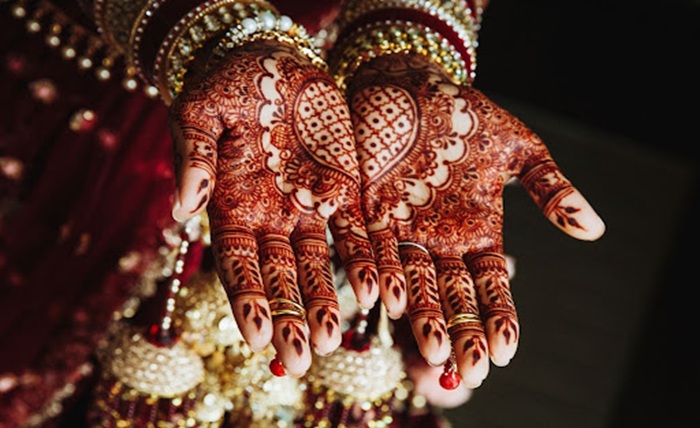
For centuries, henna (Lawsonia inermis) has been a staple in various cultures, particularly in regions across Southeast Asia, the Middle East, and Africa. It is celebrated for its aesthetics and practical applications, often applied during weddings, festivals, and other special events. The intricate form of body art symbolises good fortune, joy, health, and prosperity, and acts as a protective shield against evil spirits.
However, what many people don’t know is that the function of henna is not limited to just being a temporary tattoo for aesthetics. The plant offers several functions and benefits beyond mere decoration, ranging from wellness to household care.
This article explores the less common benefits of henna that may just surprise you. But before we dive in, check out Lightning Storm in India and other exciting games in your free time.
Natural Hair Care Product
Beyond aesthetic body decoration, another everyday use of henna is hair treatment. It naturally contains molecules that bind to the hair shaft, which helps make each strand thicker, more resilient, and even shinier. This helps reduce breakage, thinning, and split ends. Henna also contains natural antimicrobial and antifungal compounds that help combat dandruff and itchiness.
Chemical-Free Hair Dye
On the subject of hair care, another benefit of henna is that it serves as a natural hair dye, providing a reddish-orange colour. However, mixing it with other plant-based powders can help produce a range of long-lasting colors.
The best thing about the henna hair dye is that it is completely plant-based and doesn’t contain the harsh artificial chemicals of its alternatives. As such, it is ideal for people with sensitive skin or those allergic to commercial dyes. Overall, it is an excellent choice for everyone.
Natural Body Coolant
Henna also works as a natural coolant, which makes it incredibly useful in hot climates where staying comfortable can feel almost impossible. When henna paste is applied to areas like the palms, feet, or the back of the neck, it creates a soothing, cooling sensation. As it dries, it pulls heat away from the skin, leaving you feeling refreshed and helping lower your body temperature. Beyond that, henna is often used to ease headaches, calm heat rashes, soothe sunburns, and relieve other heat-related discomforts.
Healing Properties and Skin Care
Henna also has natural antiseptic and anti-inflammatory properties. As such, it is an effective traditional choice for treating minor wounds and skin infections. You can use it as a first-aid measure to treat certain conditions, including cuts, abrasions, rashes, eczema, and other inflammatory or skin ailments.
Applying henna paste to an irritated area can calm the skin, ease swelling, and help reduce pain and inflammation. It’s also surprisingly useful in preventing infections during minor emergencies, which is why many people keep it close by. Beyond its healing benefits, some folks use henna as a natural skin conditioner. It can boost circulation and leave the skin feeling softer, healthier, and more nourished.
Encourages Emotional Wellness and Mindfulness
In addition to its physical advantages, henna can be a great tool for mental and emotional health. Applying henna body art alone can be a soothing and contemplative experience. The artwork’s slow, repetitive brushstrokes promote relaxation and mindfulness, which can lessen stress.
Additionally, the rich history behind henna can contribute to uplifting your spirits. After all, it is connected to important cultural rituals that represent joy and celebration. If you allow it, this can create a positive and soothing experience when applying the art.
Environmental-Friendly Pesticide
The beneficial properties of henna aren’t limited to the human body. It has also proven useful as a natural deterrent to various pests. Most pest dislikes henna’s natural scent. As such, it can be used within the household to help keep it bug-free.
You can leave henna leaves and powder around the household, especially the storage area. By doing this, it will act as a natural, gentle repellent against clothes moths and other annoying bugs. Essentially, henna is a natural, environmentally friendly pest control option that serves as an excellent alternative to usual harsh chemical treatments.
Fabric Dyeing
Before synthetic dyes, henna was considered the primary source of colouring for textiles, leather, wool, and silk. And it provides durable, fast colours. This remains an excellent alternative to chemical dyes. The best part is that, in addition to its visual appeal, henna also helps preserve the material’s quality.
Conclusion
Henna is primarily known for its aesthetic decorative body art, often used during festivities in India and other cultures. However, the use of this plant-based product goes way beyond mere decoration. It has a wide range of properties that make it useful in many areas. This includes hair care, hair dyeing, cooling the body temperature, traditional first-aid treatment, and more. It is undeniably one of nature’s most resourceful gifts.