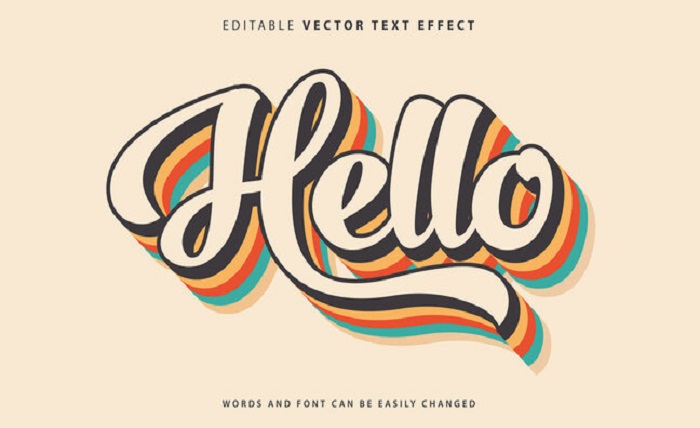
A style font is more than just a typeface—it’s a design element that communicates mood, personality, and professionalism. Choosing the right style font can make your content stand out and resonate with your audience. Whether for digital designs, printed materials, or social media posts, the style font you select shapes the perception of your brand or project. For beginners, it’s essential to understand that style font choices can influence readability, engagement, and aesthetic appeal. Designers often experiment with bold, script, serif, and sans-serif style fonts to create the perfect balance between creativity and functionality.
Using the right style font can also enhance brand identity. For instance, a minimalist style font conveys elegance and simplicity, while a handwritten style font adds a personal, approachable touch. By exploring various style fonts, you can find the perfect fit for your project, ensuring that your design is visually appealing and memorable.
Types of Style Font: Exploring Your Options
Style fonts come in an extensive variety, and knowing the categories helps you choose the right one. Serif style fonts have small lines at the ends of letters, giving them a traditional and professional feel. Sans-serif style fonts, on the other hand, have clean lines, making them modern and versatile. Script style fonts mimic handwriting and are excellent for invitations, logos, or creative projects. Display style fonts are decorative and eye-catching, perfect for headlines or artistic designs.
When selecting a style font, consider its purpose. A formal document may benefit from a classic serif style font, while a social media graphic might stand out with a playful or bold style font. Using the wrong style font can confuse your audience or reduce readability. Therefore, experimenting with different style fonts is a critical part of the design process, allowing you to discover which style font best complements your content.
How to Choose the Perfect Style Font
Choosing the ideal style font requires careful consideration of several factors. First, think about your audience and the message you want to convey. A style font can evoke emotions—bold, modern style fonts may communicate confidence, while elegant script style fonts express sophistication. Compatibility across devices is another key factor. Some style fonts may look perfect on desktop but appear distorted on mobile devices.
Another important aspect is readability. Even the most visually stunning style font becomes ineffective if your audience struggles to read it. Always pair style fonts thoughtfully, such as combining a bold headline style font with a simple body style font for balance. Designers often rely on typography tools to test multiple style fonts before finalizing a design, ensuring consistency and visual harmony.
Style Font in Graphic Design: Why It Matters
In graphic design, a style font is a cornerstone of visual storytelling. The right style font can guide the viewer’s eye, emphasize key messages, and create an emotional connection. For example, a playful style font in a children’s book design immediately attracts attention and sets the tone. On the other hand, a sleek, minimalist style font enhances a corporate brochure’s professional appearance.
Furthermore, using a consistent style font across all design materials strengthens brand recognition. Designers often create a “font palette,” selecting a primary style font and complementary secondary style fonts for headings, subheadings, and body text. This method ensures that every piece of content maintains a cohesive look while leveraging the style font’s personality.
Style Font for Websites and Social Media
Style fonts play a crucial role in digital spaces, especially websites and social media. A website’s readability, aesthetic appeal, and user experience heavily depend on selecting the appropriate style font. Modern web design favors clean sans-serif style fonts for body text and eye-catching display style fonts for headlines.
On social media, style fonts help posts stand out in crowded feeds. Platforms like Instagram and Pinterest offer limited font options, so many creators use style font generators to add unique typography to captions or graphics. Using a custom style font can enhance your social media branding, making your posts instantly recognizable and visually engaging. Designers must also ensure that their chosen style font is web-safe and loads correctly across browsers.
Tools and Resources for Style Font
There are countless tools and resources available for exploring and using style fonts. Websites like Google Fonts and Adobe Fonts provide extensive libraries of free and premium style fonts suitable for both print and digital projects. Typography software such as Adobe Illustrator or Canva allows designers to experiment with various style fonts, adjusting spacing, size, and weight to achieve the perfect look.
Free style font generators are also popular for social media and casual projects. They allow users to convert standard text into a variety of style fonts, including cursive, bold, italic, and decorative variations. By using these tools strategically, you can elevate your content with unique style fonts without spending a fortune on design software or professional typography services.
Tips for Combining Style Fonts Effectively
Pairing style fonts effectively is an art. A common rule is to combine a decorative style font with a simple, neutral one. For instance, a bold display style font for headings paired with a clean sans-serif style font for body text creates contrast and visual hierarchy. Avoid using too many style fonts in a single project, as it can create a chaotic and unprofessional look.
Contrast, alignment, and spacing are essential when combining style fonts. Ensure that your style fonts complement each other rather than compete for attention. Testing different style font combinations across various mediums, such as print, web, and social media, can reveal the most effective pairings. Remember, your goal is to maintain readability while adding visual interest through style fonts.
Conclusion
A style font is more than a mere decorative element—it’s a powerful tool to communicate, engage, and leave a lasting impression. From graphic design and websites to social media posts and branding, the right style font can transform ordinary content into visually stunning creations. Understanding the types of style fonts, how to choose them, and how to pair them effectively ensures your designs remain both beautiful and functional.
By exploring different style fonts, experimenting with combinations, and using available tools and resources, you can craft designs that reflect your unique personality or brand identity. Style fonts empower designers and content creators to stand out in a visually saturated world, making every word and design element count.
FAQs
1. What is a style font?
A style font is a typeface that carries unique visual characteristics and personality, used to enhance design, readability, and branding.
2. How do I choose the best style font?
Consider your audience, project purpose, readability, and emotional impact. Test multiple style fonts before finalizing your design.
3. Can style fonts affect readability?
Yes, style fonts can either enhance or hinder readability. Always ensure your chosen style font is clear and legible across devices and media.
4. Are style fonts free to use?
Many style fonts are free through platforms like Google Fonts, but premium options are available for professional use or commercial projects.
5. How do I combine style fonts effectively?
Pair contrasting fonts, such as a bold display style font with a simple sans-serif style font. Limit the number of style fonts to maintain balance and readability.