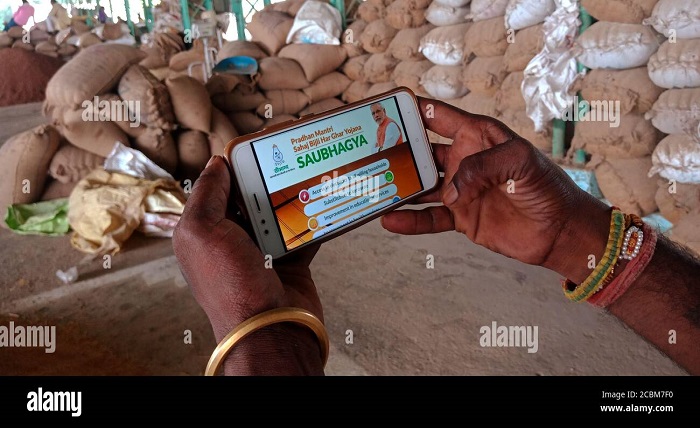
The concept of har ghar bijli represents a vision where every home has access to electricity, ensuring that no household is left in darkness. Electricity is not just a convenience but a necessity for modern living. By implementing har ghar bijli, governments and organizations aim to bridge the gap between urban and rural electrification, creating opportunities for education, healthcare, and economic growth. With initiatives like these, communities can thrive, and families can access essential services that were previously unavailable.
The Importance of Har Ghar Bijli in Rural Areas
Rural electrification is a critical component of the har ghar bijli mission. Many villages in India still face challenges due to inconsistent power supply. With har ghar bijli, rural households gain access to lighting, refrigeration, and communication facilities, transforming everyday life. For children, this means better educational opportunities through access to digital tools and light for studying at night. Women benefit by having safer cooking and household environments, while small businesses can operate more efficiently, contributing to local economies.
How Har Ghar Bijli Supports Economic Growth
Access to electricity under the har ghar bijli initiative directly contributes to economic development. Small industries and agricultural activities can function more effectively with consistent power supply. Farmers can run irrigation pumps and storage facilities, reducing post-harvest losses. Local businesses can extend working hours and provide better services. By ensuring har ghar bijli, the government promotes entrepreneurship, reduces unemployment, and fosters sustainable economic growth in both rural and urban areas, empowering citizens to live better lives.
Technological Innovations Driving Har Ghar Bijli
The success of har ghar bijli depends heavily on technological advancements in power generation and distribution. Smart grids, solar energy, and renewable power sources are playing a pivotal role in ensuring every home receives electricity. Innovations such as solar microgrids in remote areas, energy-efficient appliances, and LED lighting help households utilize electricity effectively. With modern technology, har ghar bijli is not just a dream but a practical reality, bringing sustainable solutions to energy scarcity and reducing dependency on traditional fossil fuels.
Government Schemes and Policies for Har Ghar Bijli
Several government initiatives aim to achieve har ghar bijli across India. Programs like the Saubhagya Scheme have already electrified millions of households, providing affordable connections and subsidies for low-income families. Policies focus on universal access, reliable supply, and promoting renewable energy. By ensuring har ghar bijli, these schemes reduce inequalities between rural and urban areas, improve quality of life, and foster socio-economic development. Citizens are encouraged to take advantage of these programs to empower themselves and their communities.
Environmental Benefits of Har Ghar Bijli
While har ghar bijli focuses on accessibility, it also prioritizes environmentally sustainable practices. By integrating solar power, wind energy, and other renewable resources, electricity is generated without harming the environment. Reduced dependence on diesel generators lowers carbon emissions, contributing to a cleaner, greener future. Households benefit from efficient lighting and energy-saving appliances, making har ghar bijli both a social and ecological milestone. Communities can enjoy the comforts of electricity while remaining environmentally conscious.
Challenges and Solutions in Achieving Har Ghar Bijli
Despite the progress, implementing har ghar bijli faces challenges such as remote locations, funding constraints, and infrastructure maintenance. Power theft and grid instability also hinder universal access. Solutions include increasing investment in renewable energy, deploying decentralized microgrids, and improving community awareness about electricity conservation. By addressing these challenges, har ghar bijli can achieve its ultimate goal of electrifying every household, improving the quality of life, and ensuring a sustainable energy future for the nation.
The Social Impact of Har Ghar Bijli
Har ghar bijli has far-reaching social impacts. Access to electricity transforms education, healthcare, and gender equality. Students can study after sunset, healthcare facilities can operate efficiently, and women can manage household tasks safely. Electrified homes also foster community engagement and social well-being, reducing migration from rural to urban areas in search of better opportunities. By implementing har ghar bijli, society benefits as a whole, with empowered citizens capable of contributing positively to the nation’s progress.
Conclusion
The mission of har ghar bijli is more than just providing electricity; it is about empowering communities, fostering economic growth, and promoting social well-being. By leveraging technology, government initiatives, and sustainable practices, the vision of illuminating every household is becoming a reality. As India progresses towards universal electrification, har ghar bijli stands as a testament to the nation’s commitment to inclusivity, development, and a brighter future for all citizens.
FAQs
1. What is the main goal of har ghar bijli?
The main goal of har ghar bijli is to ensure electricity reaches every household, improving living standards and enabling development.
2. How does har ghar bijli benefit rural areas?
In rural areas, har ghar bijli supports education, healthcare, and economic activities by providing reliable access to electricity.
3. Which government schemes promote har ghar bijli?
Schemes like the Saubhagya Scheme and rural electrification programs are key initiatives promoting har ghar bijli.
4. Can renewable energy support har ghar bijli?
Yes, renewable energy sources like solar and wind are crucial for sustainable har ghar bijli, especially in remote areas.
5. What challenges exist in achieving har ghar bijli?
Challenges include infrastructure limitations, funding, grid maintenance, and reaching remote locations, which are addressed through technological and policy solutions.