How did online gaming grow from a niche pastime into one of the biggest forms of modern entertainment?
The answer starts with access. As internet connections became faster and more common, games could connect people in real time instead of limiting them to solo play or local sessions. That shift made gaming social, immediate, and far more flexible for people with different schedules.
Online play also changed how people spent free time because it offered short sessions, long campaigns, and live competition in the same format. That variety helped gaming fit into daily routines in a way few other entertainment options could match.
From Local Play To Connected Play
Online gaming changed the basic idea of who you play with and how you play.
Broader Access To Competition
Before online play became common, players usually needed to be in the same room to compete or cooperate. Once games moved online, people could face opponents from different cities or countries without leaving home. That widened the pool of competition and made every match feel less predictable.
For many players, that broader access also raised skill levels because they could test themselves against more styles of play. A steady stream of real opponents created a stronger reason to keep improving, which helped games stay popular for longer periods.
Social Connection Became Part Of The Experience
Online gaming also turned play into a social habit. Friends could meet up after school, after work, or across time zones, and the game became the place where they talked as much as they competed. That mix of conversation and action gave gaming a stronger emotional pull than passive entertainment.
The social side matters because people often return to activities that help them stay connected. Online play gave players a shared routine, shared goals, and shared stories, all of which made the experience feel personal.
สล็อตเว็บตรง shows how online gaming can sit within wider digital entertainment habits, where easy access and fast interaction keep people coming back.
Technology Made Online Gaming More Appealing
Better technology gave online gaming the speed and polish it needed to reach larger audiences.
Better Networks And Smoother Play
As internet connections improved, delays dropped and games became more responsive. That mattered because online play depends on timing, and even small lags can ruin a match. Faster networks made competition fairer and cooperative play more enjoyable.
Improved hardware also helped games look and run better. Clearer graphics, stronger sound, and faster loading all made online play feel more polished, which encouraged more people to take it seriously as entertainment.
Mobile Access Expanded The Audience
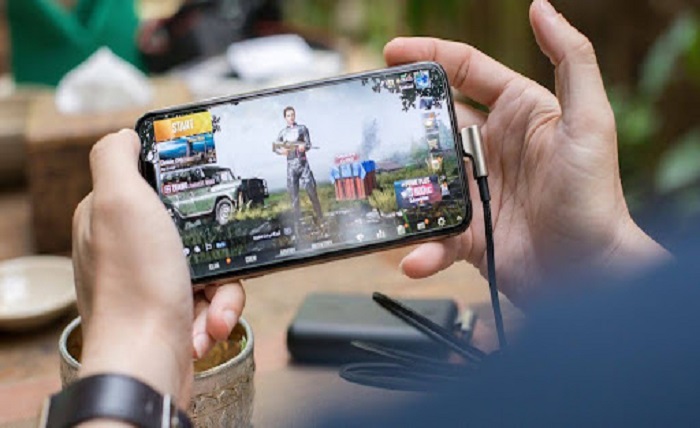
Phones widened the audience by putting online games in pockets instead of tying them to a single room. People could play during commutes, breaks, or quiet moments at home, which made gaming fit more naturally into everyday life. That convenience brought in players who never saw themselves as regular gamers.
Mobile access also lowered the barrier to starting, since many games could be tried quickly without complicated setup. That simple entry point helped online gaming reach people of different ages and habits.
Streaming And Shared Culture Increased Visibility
Watching games became part of gaming itself.
Viewers Helped Turn Games Into Events
Streaming gave online games a second life outside direct play. People began watching matches, learning strategies, and following skilled players for entertainment. That made games feel like live events rather than private hobbies.
Shared viewing also created common references. Players and nonplayers could talk about clips, moments, and match outcomes, which pushed gaming deeper into everyday conversation.
FAFA828 fits this larger pattern of digital entertainment, where fast access and social interaction help online gaming stay visible and culturally active.
Why Online Gaming Still Matters
Online gaming remains powerful because it combines activity, connection, and constant variety in one format. It gives people a place to compete, cooperate, watch, and socialize without needing a traditional entertainment schedule. That mix explains why it has become such a strong part of modern life and why its influence keeps growing.