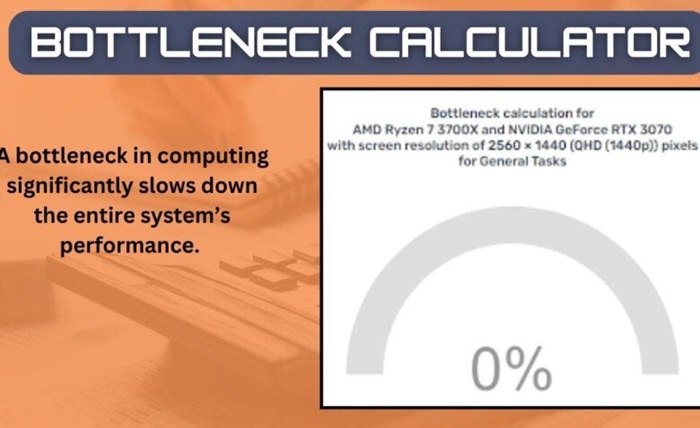
What is a Bottleneck Calculator?
A bottleneck calculator is a crucial tool for businesses, manufacturers, and project managers to identify points in a workflow that limit overall efficiency. Every process has stages where work slows down, and using a bottleneck calculator helps detect these critical areas. By inputting process metrics into a bottleneck calculator, managers can understand where resources are underutilized or overburdened, enabling them to make informed decisions. Whether in manufacturing, software development, or logistics, a bottleneck calculator ensures smoother operations and better output.
A bottleneck calculator is especially useful in complex workflows where multiple tasks converge. Without identifying bottlenecks, teams may struggle to optimize performance. This tool calculates throughput, capacity, and lead times, revealing the precise stages that hinder efficiency. Using a bottleneck calculator can reduce downtime, improve delivery schedules, and enhance customer satisfaction. Businesses relying on a bottleneck calculator often notice significant performance improvements over time.
How Does a Bottleneck Calculator Work?
Understanding how a bottleneck calculator works is essential for anyone aiming to optimize processes. Essentially, the tool analyzes inputs such as task duration, resource availability, and process sequence. By comparing these factors, a bottleneck calculator determines which step has the lowest capacity or longest cycle time, creating a bottleneck in the workflow.
A typical bottleneck calculator uses algorithms to measure throughput against demand. It may also consider buffer times and resource allocation. Once the bottleneck is identified, businesses can implement targeted strategies to improve efficiency. This step-by-step analysis provided by a bottleneck calculator ensures that improvements are based on accurate data rather than assumptions, saving time and reducing errors.
Benefits of Using a Bottleneck Calculator
The advantages of employing a bottleneck calculator extend across industries. First, it provides a clear visual representation of where delays occur. Managers can use this insight to reallocate resources, adjust schedules, or redesign workflows. A bottleneck calculator also allows organizations to predict potential future bottlenecks, preventing problems before they escalate.
Furthermore, a bottleneck calculator enhances collaboration between departments. By identifying workflow constraints, team members can prioritize tasks that directly impact the bottleneck, ensuring the entire system runs more efficiently. Over time, consistent use of a bottleneck calculator improves productivity, reduces operational costs, and increases customer satisfaction by ensuring timely delivery of products or services.
Applications of a Bottleneck Calculator in Business
A bottleneck calculator is versatile and applicable in various business scenarios. In manufacturing, it identifies machinery or process stages that slow down production. In software development, a bottleneck calculator can pinpoint stages in coding, testing, or deployment where progress lags. Even in logistics, a bottleneck calculator can track shipment delays and optimize supply chain efficiency.
Using a bottleneck calculator allows businesses to prioritize investment in areas that yield the highest impact. For example, a manufacturing unit may upgrade a slow machine, while a software team may allocate additional developers to a testing phase. In all cases, a bottleneck calculator ensures resources are used optimally, helping organizations achieve better performance with minimal wastage.
How to Use a Bottleneck Calculator Effectively
To use a bottleneck calculator effectively, you need accurate data. Start by mapping your workflow and recording the time required for each process stage. Input these figures into the bottleneck calculator to see where delays are most significant. This step allows you to target interventions at the right points.
After identifying the bottleneck using a bottleneck calculator, implement process improvements, such as adding resources, modifying procedures, or automating tasks. Reassess the workflow with the bottleneck calculator periodically to track progress. By repeating this process, businesses can maintain an optimized workflow and avoid recurring bottlenecks, ensuring continuous improvement and operational efficiency.
Tips for Choosing the Right Bottleneck Calculator
Selecting the right bottleneck calculator depends on your industry, process complexity, and data availability. Some calculators are designed for manufacturing and focus on machinery throughput, while others are tailored for project management or software development. Choosing a bottleneck calculator that aligns with your workflow ensures accurate results.
When evaluating a bottleneck calculator, consider features like ease of use, reporting capabilities, and integration with existing tools. A good bottleneck calculator should allow you to input data manually or import it from other software, offering flexibility in analysis. Using the right bottleneck calculator can dramatically improve decision-making and process efficiency, making it an indispensable part of your operational toolkit.
Common Mistakes to Avoid When Using a Bottleneck Calculator
While a bottleneck calculator is powerful, mistakes in its use can undermine its effectiveness. One common error is using inaccurate or incomplete data. If the input values are wrong, the bottleneck calculator may produce misleading results. Always ensure data is up-to-date and precise.
Another pitfall is neglecting continuous monitoring. A bottleneck calculator identifies current constraints, but workflows change over time. Failing to reassess periodically can result in new bottlenecks going unnoticed. Avoid over-reliance on a single metric; instead, combine the bottleneck calculator’s insights with other performance indicators for a holistic view of workflow efficiency.
Conclusion
A bottleneck calculator is an essential tool for any organization seeking to optimize operations and improve productivity. By identifying constraints, predicting potential delays, and guiding resource allocation, a bottleneck calculator enables smarter decision-making. From manufacturing to software development, the benefits of using a bottleneck calculator are clear: increased efficiency, reduced costs, and improved output quality.
Implementing a bottleneck calculator as part of a continuous improvement strategy ensures that businesses remain agile and responsive. Regular use of a bottleneck calculator helps managers focus on the areas that matter most, avoiding wasted effort and ensuring smoother workflows. Ultimately, a bottleneck calculator is not just a diagnostic tool—it is a roadmap to operational excellence.
FAQs
Q1: What industries can benefit from a bottleneck calculator?
A bottleneck calculator is valuable in manufacturing, software development, logistics, healthcare, and virtually any field where workflows have multiple stages and resources need optimization.
Q2: Is a bottleneck calculator difficult to use?
Most modern bottleneck calculators are user-friendly and come with tutorials. With accurate input data, anyone can quickly identify workflow constraints and make improvements.
Q3: Can a bottleneck calculator improve efficiency immediately?
Yes, a bottleneck calculator provides insights that allow for immediate adjustments in workflow or resource allocation, often resulting in noticeable efficiency gains.
Q4: Do I need technical expertise to use a bottleneck calculator?
While technical knowledge can help, most bottleneck calculators are designed for managers and team leaders without advanced technical skills, making them accessible to a wide range of users.
Q5: How often should I use a bottleneck calculator?
For best results, use a bottleneck calculator regularly—weekly or monthly, depending on workflow complexity. Frequent use ensures that new bottlenecks are identified and addressed promptly.