Introduction
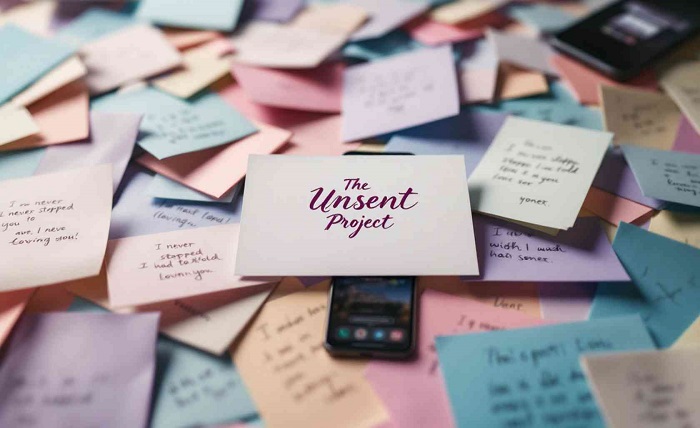
The unsent project has become one of the most emotionally powerful digital spaces where people anonymously share messages they never had the courage to send. At its core, the unsent project is about vulnerability, raw feelings, and the unspoken words that often carry the most weight in our lives. Whether it’s love, regret, anger, or closure, the unsent project allows individuals to express emotions without fear of judgment or consequence.
In today’s fast-paced digital world, communication is constant, yet many important words remain unsaid. The unsent project bridges that gap by giving people a platform to release those bottled-up emotions. As you explore the unsent project, you’ll notice that each message tells a story—sometimes heartbreaking, sometimes hopeful, but always deeply human.
The Origin and History of The Unsent Project
The unsent project was created by artist Rora Blue, who wanted to explore how people associate colors with emotions, particularly love. Over time, the unsent project evolved into a massive collection of anonymous messages addressed to first loves, lost connections, and unresolved relationships.
Initially, the unsent project started as a simple concept: people submit messages they never sent and associate them with a color that represents their feelings. However, as more people discovered the unsent project, it grew into a global phenomenon. Millions of submissions now exist, making the unsent project a digital archive of human emotion.
What makes the unsent project unique is its authenticity. Unlike curated social media posts, the unsent project thrives on raw, unfiltered expression. It shows that behind every screen is a person with emotions they sometimes struggle to express directly.
How The Unsent Project Works
The unsent project operates on a simple yet powerful idea. Users submit anonymous messages they never sent to someone significant in their lives. Each submission in the unsent project includes a message and a color chosen by the sender to represent their feelings.
When browsing the unsent project, users can search by name or color, which adds an interactive and personal dimension. For example, someone might search their own name in the unsent project and find messages that feel eerily familiar or relatable.
The anonymity of the unsent project is key to its success. Because users don’t reveal their identities, they feel safe expressing their deepest emotions. This creates a space where honesty thrives, making the unsent project one of the most genuine emotional platforms online.
Why The Unsent Project Is So Popular
The unsent project resonates with millions because it taps into universal human experiences. Everyone has something they wish they had said but didn’t, and the unsent project provides a safe outlet for those feelings.
Another reason for the popularity of the unsent project is its relatability. As people read messages in the unsent project, they often see reflections of their own experiences. This creates a sense of connection and understanding, even among strangers.
Social media has also played a huge role in spreading the unsent project. Platforms like Instagram and TikTok have amplified its reach, bringing the unsent project to a younger audience who values emotional expression and authenticity.
Emotional Impact of The Unsent Project
The unsent project is more than just a collection of messages—it’s an emotional experience. Reading through the unsent project can evoke a wide range of feelings, from nostalgia to heartbreak to hope.
For contributors, the unsent project acts as a form of emotional release. Writing down unsent messages can be therapeutic, helping individuals process their feelings and find closure. In many ways, the unsent project functions like a digital journal shared with the world.
For readers, the unsent project offers validation. Seeing others express similar emotions can make people feel less alone. This shared emotional experience is what makes the unsent project so powerful and impactful.
Themes Commonly Found in The Unsent Project
The unsent project is filled with recurring themes that reflect the complexities of human relationships. One of the most common themes in the unsent project is love—both expressed and unexpressed. Many messages revolve around feelings that were never confessed.
Another major theme in the unsent project is regret. People often use the platform to express things they wish they had said or done differently. These messages highlight the importance of communication and the consequences of silence.
Closure is also a frequent theme in the unsent project. Some users write messages to move on from past relationships or unresolved situations. Through the unsent project, they find a sense of peace by finally expressing what was left unsaid.
The Role of Colors in The Unsent Project
One of the most unique aspects of the unsent project is the use of colors to represent emotions. Each message in the unsent project is paired with a color chosen by the sender, adding another layer of meaning.
For example, red in the unsent project often symbolizes love or anger, while blue might represent sadness or longing. Yellow can indicate happiness or nostalgia, and black may reflect grief or loss. These color associations make the unsent project visually and emotionally engaging.
The use of color in the unsent project also allows users to interpret messages in their own way. It adds depth and personalization, making each submission in the unsent project feel unique and meaningful.
How The Unsent Project Reflects Modern Relationships
The unsent project provides a fascinating glimpse into modern relationships and communication patterns. In an age where texting and social media dominate, the unsent project reveals how much still goes unsaid.
Many messages in the unsent project highlight issues like ghosting, miscommunication, and emotional distance. These are common challenges in today’s digital relationships, and the unsent project captures them in a raw and honest way.
At the same time, the unsent project shows that despite technological advancements, human emotions remain the same. Love, heartbreak, and longing are timeless experiences, and the unsent project serves as a reminder of that.
Conclusion
The unsent project is more than just an online platform—it’s a powerful emotional archive that captures the essence of human vulnerability. Through anonymous messages, the unsent project allows people to express what they couldn’t say out loud, offering both release and connection.
As you explore the unsent project, you’ll find stories that resonate deeply, reminding you that you’re not alone in your feelings. Whether you contribute or simply read, the unsent project offers a unique opportunity to understand the complexity of human emotions.
In a world where so much is shared publicly, the unsent project stands out by giving voice to what remains hidden. And sometimes, those unsent words are the ones that matter the most.
FAQs
1. What is the purpose of the unsent project?
The unsent project aims to provide a safe space for people to share messages they never sent, helping them express emotions and find closure.
2. Is the unsent project anonymous?
Yes, the unsent project is completely anonymous, allowing users to share their thoughts without revealing their identity.
3. Can I search for my name in the unsent project?
Yes, the unsent project allows users to search messages by name, which can make the experience more personal and engaging.
4. Why do people use colors in the unsent project?
In the unsent project, colors represent emotions, adding depth and meaning to each message.
5. Is the unsent project therapeutic?
Many users find the unsent project therapeutic because it helps them process emotions and express feelings they couldn’t share otherwise.